
Families as Partners: Strengthening Collaboration in Care Planning
Date: 20th April 2026
Authored By: Doris Sheridan | doris@sheridanconsult.co.uk
In modern health and social care, effective partnership working with families and loved ones is recognised as essential to delivering high-quality, person-centred support. The Care Quality Commission (CQC), NHS England, and Local Authorities emphasise the importance of co-production, shared decision-making, and transparent communication as key components of safe and responsive care.
Families bring unique insight, continuity, and lived experience that no assessment tool or professional perspective can replicate. When they are involved meaningfully in assessments, reviews, and safeguarding processes, outcomes improve, trust grows, and the individual receiving care is placed firmly at the centre of planning.
This article explores the benefits of family partnership and outlines what best practice looks like in 2026.

1. Building Trust Through Early and Consistent Involvement
Trust is strengthened when families feel welcomed, informed, and valued from the outset. Care providers can create this foundation by:
Inviting families to contribute to initial assessments, needs analysis, and risk considerations.
Maintaining open channels of communication, with regular updates tailored to how each family prefers to receive information.
Explaining processes clearly, especially around mental capacity assessments, best-interest decisions, and safeguarding procedures.
Early engagement helps prevent misunderstandings and reassures families that their insight will shape care delivery.
2. Enhancing the Quality and Accuracy of Assessments
Families hold a deep understanding of an individual’s personality, routines, health history, triggers, and aspirations. Their involvement strengthens the accuracy of:
Needs assessments
Mental capacity assessments
Behavioural support planning
CHC and social care eligibility assessments
Risk assessments
By combining professional expertise with personal familiarity, assessments become more holistic and better aligned with the individual’s true needs.

3. Strengthening Safeguarding Through Shared Insight
Safeguarding is most effective when professionals and families share information transparently. Families are often the first to notice concerns relating to:
Deteriorating health or mobility
Emotional distress
Poor service delivery
Signs of neglect or abuse
Sudden changes in behaviour
Working collaboratively during safeguarding enquiries helps ensure investigations are evidence-based, fair, and centred on the individual’s best interests. It also provides reassurance to families that their concerns are taken seriously and that protective actions are proportionate.
4. Supporting Continuity of Care and Better Outcomes
Research consistently demonstrates that family involvement leads to improved outcomes in health and social care. Benefits include:
educed hospital admissions
Faster recovery or stabilisation
Improved adherence to treatment or support plans
Greater wellbeing, confidence, and independence
Stronger emotional resilience for the individual
Family partnership ensures that care extends beyond formal settings, supporting continuity at home, in the community, and across service transitions.
5. Respecting Rights, Preferences, and Cultural Identity
Families play a vital role in ensuring that care respects the individual’s:
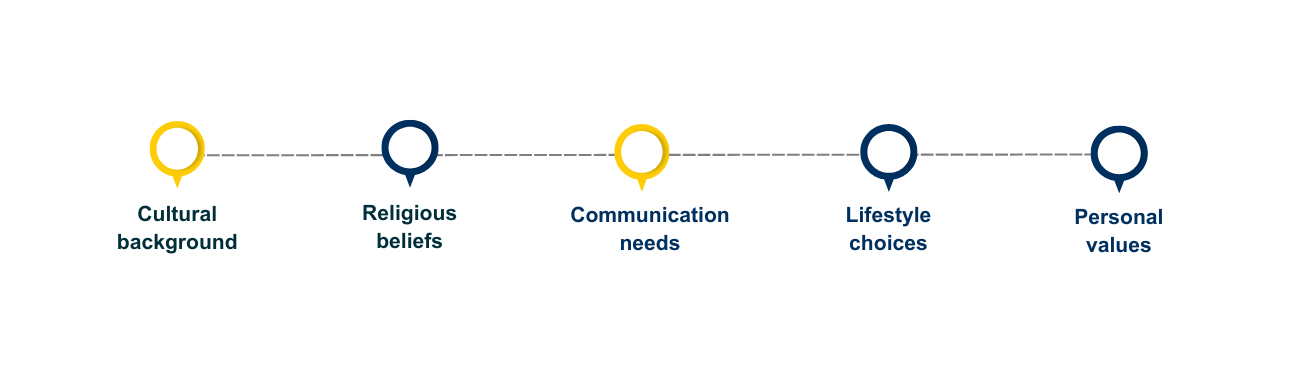
Cultural background
Religious beliefs
Communication needs
Lifestyle choices
Personal values
Their contributions help staff deliver care that is not only clinically appropriate but culturally sensitive, dignified, and aligned with what matters most to the person. This is central to the Equality Act 2010, the Mental Capacity Act 2005, and the CQC’s Single Assessment Framework.
6. Co-Production: Designing Services Around Real Experience
Co-production goes beyond consultation; it invites families to participate in designing, reviewing, and improving services.
Examples include:
Participating in service improvement forums
Co-reviewing care planning templates or communication tools
Giving feedback that shapes policy, training, and culture
Contributing to staff education on family-centred care
By embedding lived experience into service development, organisations become more responsive, inclusive, and person-centred.

How Sheridan Consult Can Help
Sheridan Consult supports organisations across the NHS, local authorities, and the independent sector to strengthen meaningful family involvement in care planning, assessment, and safeguarding. Their consultants work closely with providers to review engagement pathways, improve communication processes, and ensure that family partnership is embedded within legally compliant frameworks such as the Mental Capacity Act 2005, the Equality Act 2010, and the CQC Single Assessment Framework.
Through expert training, process redesign, and practical support with assessments, care planning, and service-user engagement, Sheridan Consult helps organisations demonstrate that families are recognised as essential partners in care. They also guide teams in co-production approaches, ensuring that the voices of families and loved ones inform service development, quality improvement, and everyday decision-making. By enhancing transparency, collaboration, and trust, Sheridan Consult enables providers to deliver safer, more personalised, and more effective care.