
Equality in Action: How to Evidence Inclusive Care in 2026
Date: 6th April 2026
Authored By: Doris Sheridan | doris@sheridanconsult.co.uk
Delivering equitable, person-centred care is no longer an optional standard in 2026; it is a legal, ethical, and regulatory requirement. Under the Equality Act 2010, care providers must demonstrate how they prevent discrimination, promote inclusion, and meet the diverse needs of service users across all protected characteristics.
For NHS organisations, local authorities, and independent providers, evidencing this in day-to-day practice is essential for compliance with the Care Quality Commission (CQC), local commissioners, and workforce scrutiny. This guide outlines practical and measurable ways to demonstrate inclusive care at every level of service delivery.

1. Embedding Workforce Diversity and Representation
A diverse workforce is one of the strongest indicators of an inclusive service. In 2026, organisations are expected not only to recruit diversely but to evidence how staff from different backgrounds contribute to culturally competent care.
Key ways to evidence this include:
Demonstrating representation across all levels: front-line staff, management, and governance.
Maintaining anonymised HR data showing progress on recruitment, retention, and promotion across protected characteristics.
Providing structured equality, diversity, and inclusion (EDI) training, refreshed annually.
Documenting reasonable adjustments and support for staff with disabilities or health conditions.
These measures support a workforce that is reflective of the population served and capable of delivering nuanced, culturally aware care.
2. Demonstrating Culturally Sensitive Care Practices
Culturally responsive care does not rely on assumptions it requires insight, documentation, and collaboration. Providers should evidence how they accommodate cultural, religious, linguistic, and social needs.
This may involve:
Ensuring care plans include cultural preferences, dietary constraints, communication needs, and family involvement wishes.
Recording conversations with individuals and families about customs, beliefs, and dignity priorities.
Providing access to interpreters and translated materials.
Demonstrating awareness of health disparities affecting minority groups, such as increased risks related to cardiovascular disease, mental health conditions, or social isolation.
Cultural sensitivity is increasingly evaluated during inspections, as it directly impacts whether care is truly personalised, respectful, and responsive.
3. Inclusive Communication and Accessible Information
In line with the Accessible Information Standard (AIS), organisations must ensure that people with disabilities, sensory impairments, or language barriers can fully engage with their care.

Evidence of inclusive communication may include:
Accessible appointment letters and care documentation.
Easy-read, large-print, and audio formats.
Use of communication aids, symbol boards, or digital support tools.
Staff training on communication techniques for people with learning disabilities, autism, hearing loss, or cognitive impairment.
Documentation must clearly record the communication method preferred by each individual and the adjustments put in place.
4. Personalised Risk Management and Decision-Making
Inclusive care requires a person-centred approach to decision-making, particularly where capacity or risk varies. Providers should demonstrate equitable practice through:
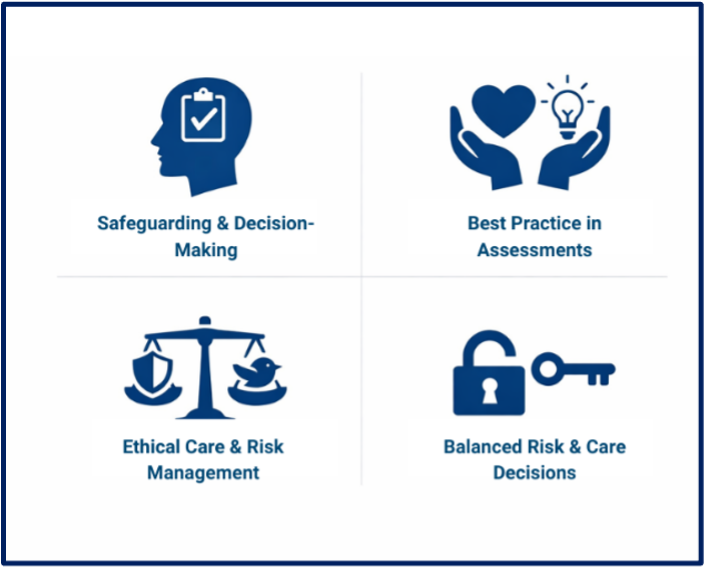
Legally compliant mental capacity assessments.
Clear evidence of best-interest decisions made collaboratively.
Risk assessments that balance autonomy and safety without stereotyping or bias.
Proportionate restrictions, justified by individual need rather than blanket rules.
This is especially important for services supporting people with disabilities, fluctuating capacity, or significant vulnerabilities.
5. Service User Voice: Authentic Engagement and Co-Design
The CQC’s Single Assessment Framework places strong emphasis on lived experience. Providers must demonstrate that they involve people meaningfully in shaping care delivery.
This includes:
Regular feedback cycles with clear evidence of action taken.
Co-production sessions with service users and families.
Accessible consultation tools for those with communication needs.
Documenting how service user insights contribute to policy, training, or service redesign.
Genuine engagement strengthens trust, improves outcomes, and evidences compliance.
How Sheridan Consult Can Help
Sheridan Consult supports organisations across the NHS, local authorities, and independent care sectors to embed equality and inclusive practice into everyday operations. Through their expertise in compliance, personalised care, legal frameworks, and workforce development, they help providers evidence their responsibilities under the Equality Act 2010 and CQC regulatory requirements. Sheridan Consult offers tailored support across areas such as inclusive policy creation, culturally sensitive care planning, robust mental capacity assessments, and service-user engagement strategies.