
Leading with Compassion: What Nursing Leadership Looks Like in Today's Complex Care Environment
Date: 2nd June, 2026.
Authored By: Doris Sheridan | doris@sheridanconsult.co.uk
There is a version of leadership that gets talked about in boardrooms and strategy documents the kind measured in targets, compliance ratings, and workforce metrics. And then there is the kind of leadership I have spent my career witnessing, practising, and deeply believing in: the kind that happens at a bedside, in a family meeting, in the quiet moment before a difficult conversation begins.
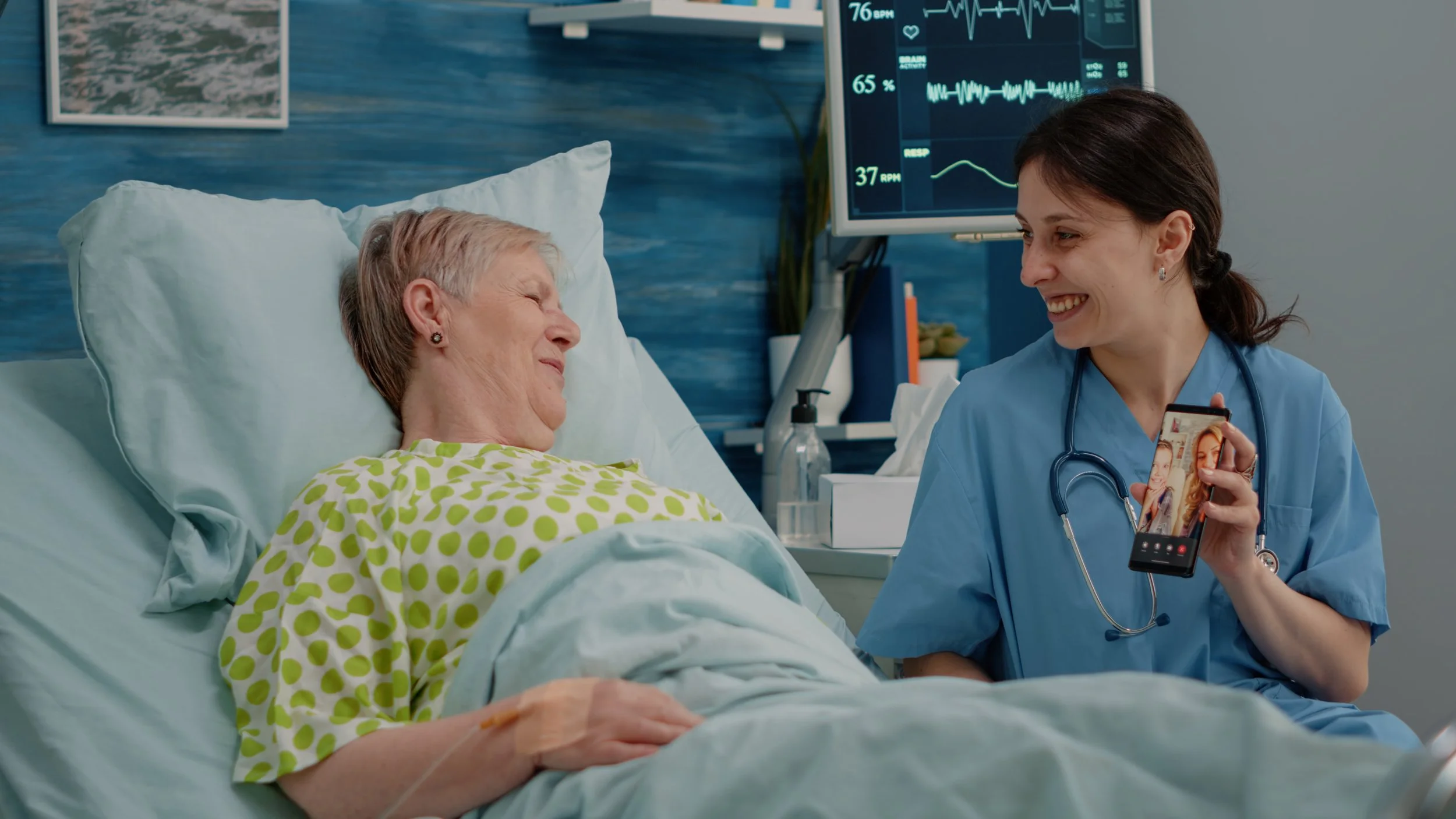
In today’s Complex care environment, nursing leadership demands both. The regulatory expectations have never been more complex. The workforce pressures have never been more acute. And the people we serve many navigating the most frightening and uncertain periods of their lives have never needed more from us. In that environment, compassion is not a supplement to strong leadership. It is the foundation of it.
The Shift We Need to Talk About
For too long, clinical expertise and emotional intelligence have been treated as separate qualities as though a nurse leader must choose between being rigorous and being human. In my experience, that is a false distinction, and it is one that costs us dearly when we accept it.

The most effective nurse leaders I have encountered do not lead despite their compassion. They lead because of it. They understand that the ability to truly hear someone to sit with uncertainty alongside them rather than rush to resolve it is as professionally demanding as any clinical assessment. It requires discipline, presence, and courage.
Modern social care does not need leaders who manage from a distance. It needs leaders who understand that values-based decision-making is not idealism. It is the most rigorous form of practice available to us.
What Compassionate Leadership Actually Looks Like
It is worth being specific, because compassion in leadership is often spoken of in abstract terms that can feel disconnected from the day-to-day realities of complex care environments.
In practice, it looks like this:
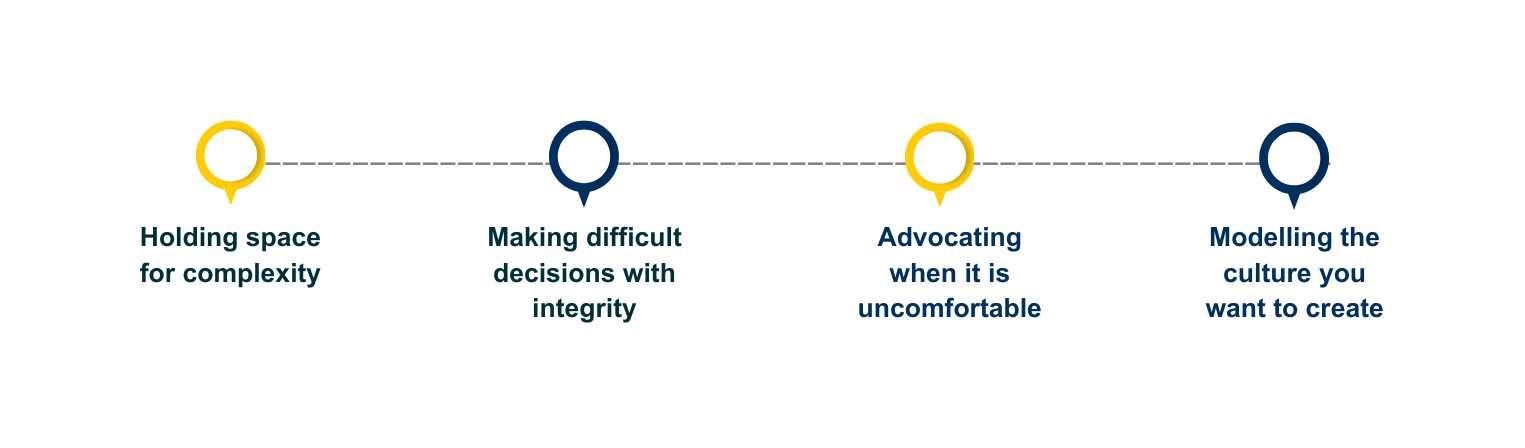
Holding space for complexity: resisting the institutional pressure to reduce a person’s situation to a risk category or a funding decision, and instead ensuring that their full humanity remains visible throughout every stage of assessment and care planning.
Making difficult decisions with integrity: not avoiding hard conversations, but approaching them with honesty, care, and a genuine commitment to the person’s dignity and autonomy.
Advocating when it is uncomfortable: speaking clearly on behalf of individuals and families in multi-agency meetings, Court of Protection proceedings, and safeguarding reviews, even when the professional environment makes that advocacy challenging.
Modelling the culture you want to create: understanding that the way a nurse leader treats a colleague in a difficult moment, or responds to a family in distress, sets the standard for everything that follows.
These are not soft skills. They are the architecture of safe, ethical, person-centred practice.
The Professional Integrity at the Core of It All
Compassionate leadership does not mean agreeing with everyone or avoiding difficult professional judgements. On the contrary, it requires a particularly clear sense of professional integrity knowing what you stand for, being willing to be transparent about it, and holding to it even under institutional pressure.
In social care environments shaped by resource constraints, workforce shortages, and evolving regulatory frameworks, that integrity is tested regularly. Nurse leaders are asked to make judgements with incomplete information, to balance individual need against systemic capacity, and to navigate the tension between what a person wants and what the law permits.
What guides those judgements, in my view, is not a checklist. It is a deeply held commitment to the principle that every person, regardless of the complexity of their situation, deserves to be treated with dignity, honesty, and respect. That principle does not make the decisions easier. But it makes them sound.
The Leaders This Sector Needs

Social care in 2026 is operating under enormous pressure. Workforce retention, regulatory scrutiny, and the growing complexity of the people we support all demand a standard of leadership that goes beyond procedural competence.
What this sector needs and what I have seen make the most profound difference are nurse leaders who bring their whole professional selves to the work. Who understand that clinical knowledge and human empathy are not competing priorities. Who lead not from a position of authority alone, but from a position of genuine care for the people and professionals around them.
That is what nursing leadership looks like at its best. Not perfect. Not without difficulty. But always fundamentally human.
If this reflects challenges or values you are navigating in your own professional practice, I would welcome the conversation.