

The Real Harry Potter I Met as a Social Worker
Date: 1st September, 2026.
Authored by: Doris Sheridan | doris@sheridanconsult.co.uk
I spent years working as a social worker in London. People sometimes assume our expertise in health and social care comes purely from policy and procedure. It doesn't. It comes from moments like this one.
A Welfare Visit Like No Other
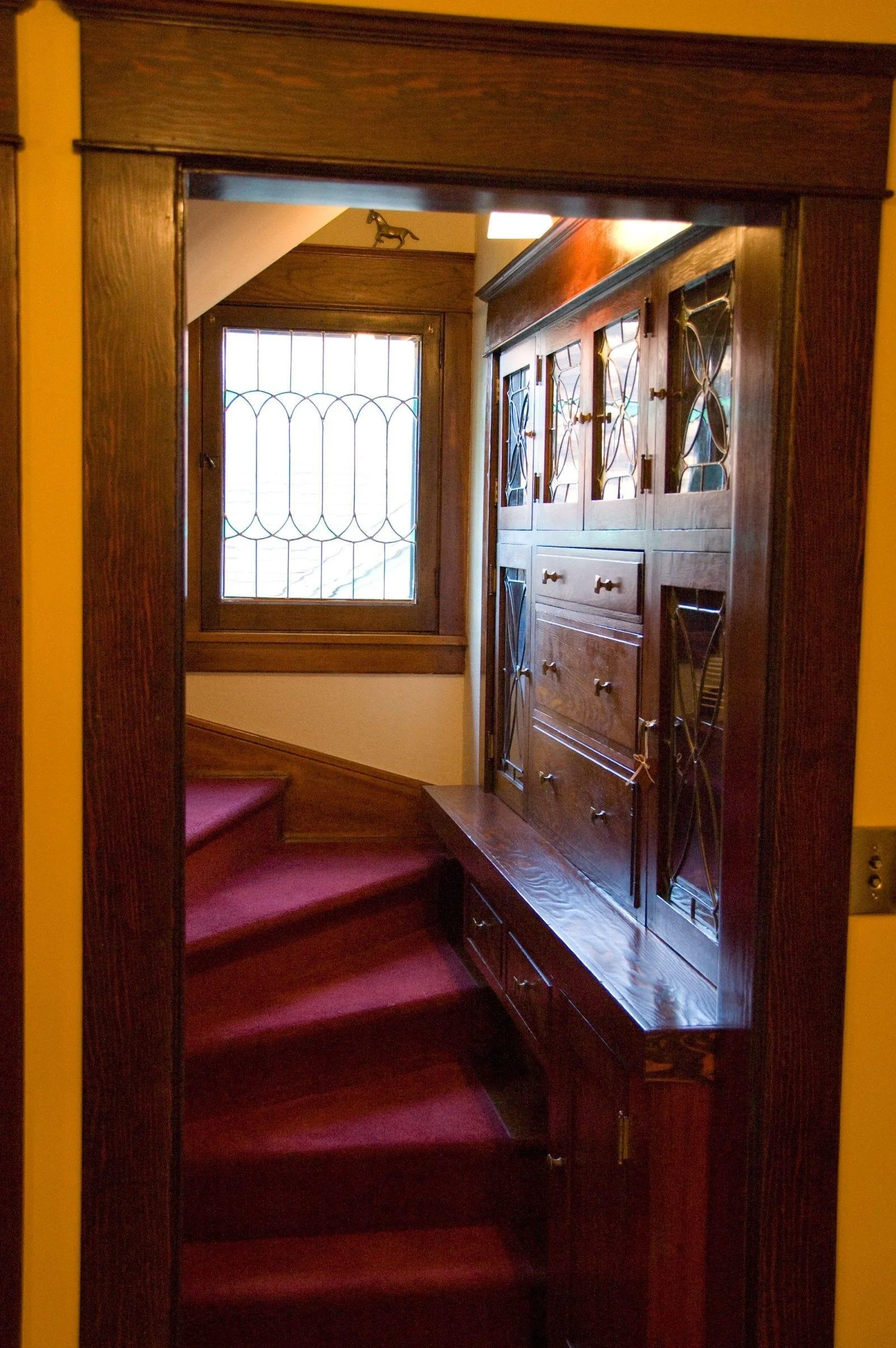
I had been asked to make a welfare visit to a vulnerable gentleman. I arrived at a huge Edwardian house that had been converted into multiple dwellings and eventually located his "apartment".
To get to it, I went through a small door under the stairs, past a noisy washing machine, and into a tiny room beneath the stairwell.
There was a single bed, a small sink, and a little window with virtually no view. Behind a screen stood an old-fashioned toilet with an overhead cistern that seemed to dominate the already cramped room.
It immediately made me think of Harry Potter's cupboard under the stairs. But this was no fictional story.
The Man Behind the Door
The gentleman had spent years in the military. His dress uniform, complete with medals, hung proudly on the door. He had one elderly friend who visited regularly, and it was this friend who had raised concerns about his wellbeing.
I remember accepting a cup of tea. He apologised that he couldn't offer me milk because, without a fridge, he had no way of keeping it fresh.
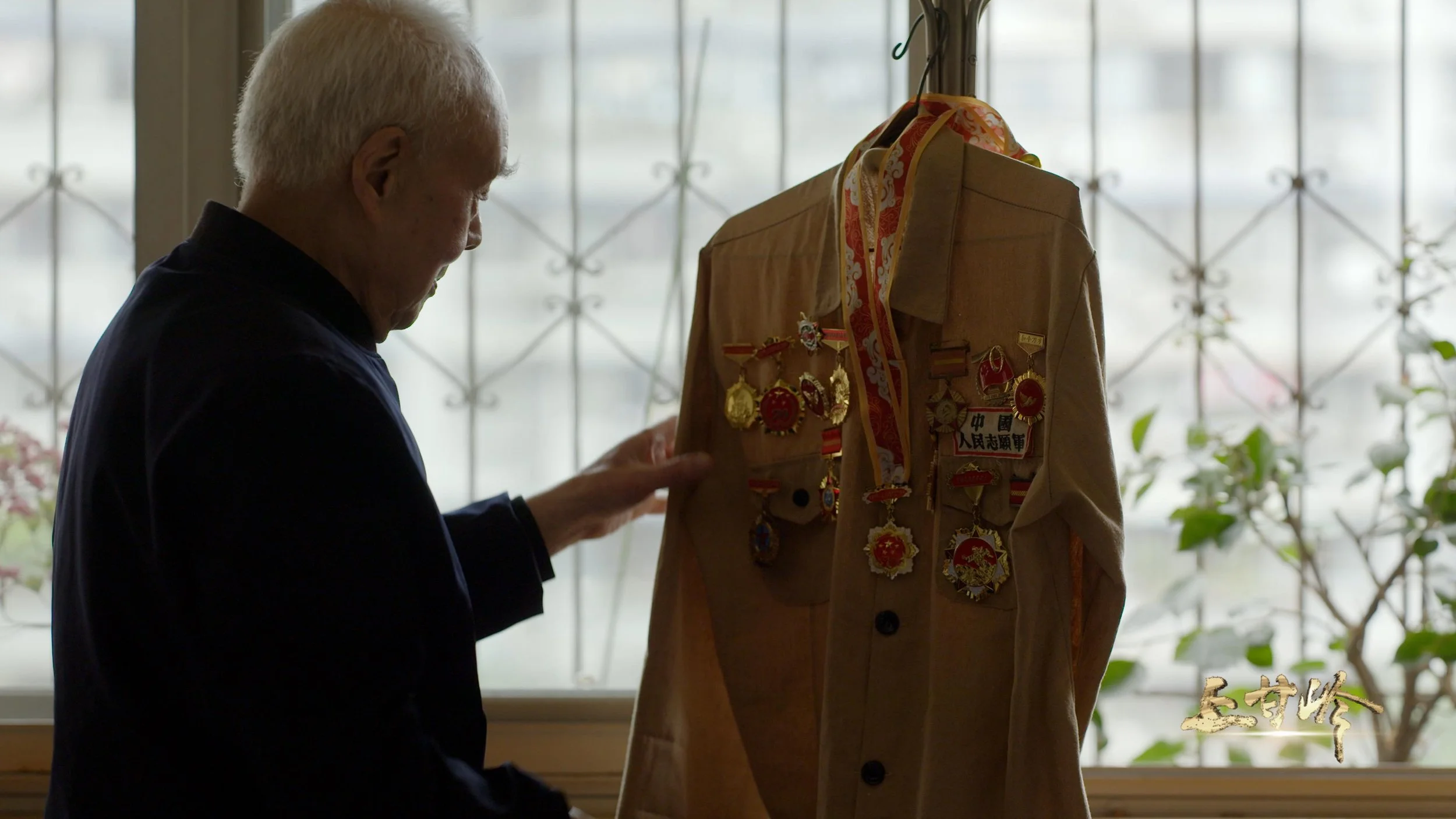
There wasn't room for a chair, so I perched on the end of his bed while he politely remained standing. I noticed the bed had been made to absolute perfection a small detail, but one that told me a great deal about the man he was, and perhaps the man he had been in uniform. He was very frail. His friend told me he wasn't eating well and seemed to spend much of his time alone and in silence. He had not left his room for almost a year.
It struck me, sitting there, how easily a person's world can shrink without anyone noticing. He had served his country, kept his uniform pressed and his bed immaculate, and yet had been left to disappear quietly into a cupboard under a staircase. Nobody had done anything wrong, exactly the system simply hadn't caught up with him. That gap between "nothing wrong on paper" and "something clearly wrong in front of you" is where so much of our work in social care actually happens.
Finding Him a Proper Home
It took several weeks of negotiation, but eventually we secured more suitable supported accommodation for him. He had very few possessions. We transported them in my car.
I still remember the day he opened the door to his new home. He slowly explored the rooms, then stood at the window with his back to me, looking outside. I could sense he was crying, and I suspected he was simply too proud to turn around and let me see. Neither of us spoke for quite a while.
His friend and I continued to visit, and he had a wonderful team of care staff around him. Sadly, he lived for only another eighteen months. His friend and I attended his funeral, and afterwards went to a coffee shop, where he shared memories of his best friend.
What He Taught Me
During my years as a social worker, I met hundreds of people. Inevitably, some stay with you more than others. This gentleman taught me something I have never forgotten: good social care isn't always about complex systems, assessments and processes. Sometimes it is simply about noticing when someone's dignity and quality of life have quietly disappeared, and doing everything you can to help restore them.
That lesson has never left me. In every CHC assessment, every Court of Protection case, every conversation about someone's capacity or best interests, I still ask myself the same basic question I asked in that cramped little room: has anyone actually stopped to notice this person, or have they just been processed? The frameworks and the regulations matter enormously, but they are there to serve that noticing, not to replace it.
Eighteen months may not sound very long. But he spent those months in a proper home, with people around him who cared. I still think about him with a mixture of happiness and sadness, and I will never forget my real-life Harry Potter the gentleman who had been living under the stairs.
A Final Note
This is the first in a series of real stories and lived experiences from my years working across health and social care. These are the moments that have shaped the values behind Sheridan Consult and continue to influence how we approach our work today.
They are a reminder of why we put the person first, why voice, dignity and involvement matter, and why even the most complex systems and processes must never lose sight of the individual at the centre of them.