
Beyond the Dashboard: Are You Measuring What Really Matters in Social Care?
Date: 5th January 2026
Authored By: James Sheridan | james@sheridanconsult.co.uk
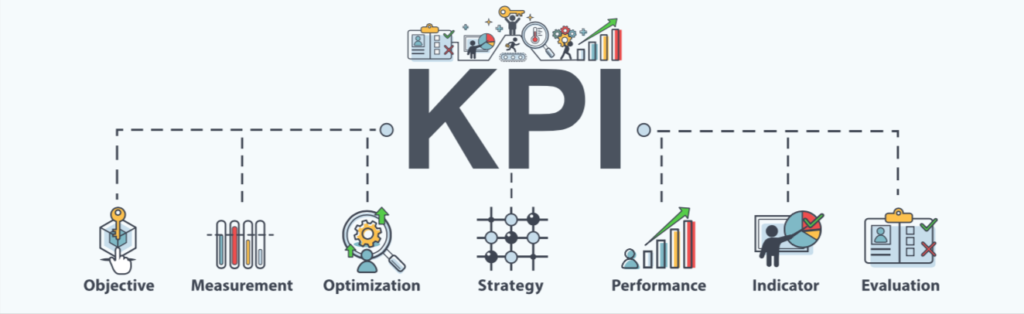
Data and performance dashboards have become central to modern health and social care management. Key performance indicators (KPIs) promise clarity, objectivity and oversight. Yet as the sector adjusts to the CQC’s Single Assessment Framework, and prepares for its revised model due to be implemented from late 2026, an important question arises: are we measuring what truly matters?
The limitations of traditional KPIs
Traditional KPIs often focus on numerical outputs such as bed occupancy, waiting times or incident reporting. While these figures are important, they risk painting only part of the picture. For example, a service may meet its efficiency targets yet fail to provide compassionate, person-centred care. Equally, an impressive compliance record on paper may mask poor lived experiences reported by service users.
The updated quality statements within the Single Assessment Framework have sharpened the emphasis on impact. Inspectors are now examining whether services deliver real outcomes for people, not just whether they meet policy requirements. This shift means leaders must reconsider whether their dashboards reflect genuine quality or simply operational performance.
From compliance to meaningful impact
Quality assurance is no longer about demonstrating that a process exists but showing that it makes a difference. For instance, safeguarding policies must not only exist but also actively prevent harm. Recruitment and retention figures are important, but leaders must also evidence how staff feel valued and supported in practice.
The Court of Protection and other judicial reviews in recent years have reinforced this point. Compliance without consideration of lived experience can result in legal challenge, reputational damage and financial penalties.
Rethinking performance frameworks
Leaders in 2026 need to design frameworks that balance traditional data with qualitative evidence. This includes:
Service user feedback: Regular and structured engagement with people receiving care.
Staff wellbeing indicators: Monitoring retention alongside surveys of morale, workload and training access.
Equity measures: Ensuring compliance with the Equality Act 2010 through evidence of inclusive and accessible care.
Learning loops: Documenting how feedback and incidents lead to measurable improvements.
These measures align with the new regulatory environment and provide a more authentic reflection of quality.
Innovation and technology
The increased use of digital tools provides opportunities for more meaningful measurement. Real-time feedback apps, AI-assisted compliance monitoring and integrated care records allow providers to track experiences as they happen. However, innovation must not be adopted for its own sake. Technology should enhance human insight, not replace it.

The leadership challenge
For senior leaders, the challenge is not only to redesign dashboards but to rethink what success looks like. Numbers will always have a role, yet the best organisations will integrate them with stories, experiences and evidence of impact. Leaders must also be prepared to engage in honest reflection when indicators suggest areas of concern.
This requires courage as well as compliance. It means moving beyond ticking boxes and towards building services that deliver dignity, equity and trust.
Conclusion
As social care enters a new era of regulation under the Single Assessment Framework, leaders have a unique opportunity to reset what is measured and why. Traditional KPIs remain useful, but they cannot be the sole markers of success. True quality lies in how people experience care, how staff feel supported, and how organisations adapt to challenges.
By looking beyond the dashboard, providers can ensure that their services are not only compliant with regulation but also aligned with the values of compassion, innovation and impact. For leaders working in quality assurance, compliance and governance, this is both a responsibility and an opportunity to shape the future of care.

Contact us if you would like to explore how performance frameworks can evolve to measure what truly matters in social care.